

monarchs in England… You know… throughout history. The conquerors and the ones that
inherited all of their wealth and glory. I guess I plan to do both! –Siggie
Link to the Youtube video and the rest of the series!
Twenty-second episode of Siggie, presenting her take on the history of the monarchs of England in the context of her favorite topic….herself. Here we feature the transition of the Hanover dynasty to the Windsor dynasty, as this episode discusses. First Siggie talks about King Edward VII, who was known as the “Playboy” Prince of Wales and then became known as “the Uncle of Europe” and “Peacemaker.” But he and his son, who became King George V, were at odds (and eventually at war–the Great War) with their cousin Kaiser Wilhelm II of Germany. This led to George V changing the name of the House of Hanover to Windsor in order to rid the British crown of German ties.
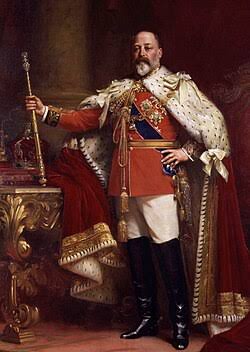
King Edward VII, the eldest son of Queen Victoria and Prince Albert. He took over
the throne after Victoria’s reign. In addition to being King of the United
Kingdom and the British dominions, he was also Emperor India. His reign was from
1901 to 1910. Yes, we’re in the 1900s now. He was nicknamed Bertie. Edward VII was also
called the Uncle of Europe. He turned out to be a pretty successful ruler after many years of being quite
the wild child. He was a poor student early on, although he got a little bit better when he
went to college. Victoria gave him very little responsibility when she was alive.
He was to a great extent excluded from political influence. The extra free
time that he had was used being a Playboy Prince. This really got under
Victoria’s skin. Albert who’s ill at the time visited Edward to reprimand him and
ended up dying two weeks later. Victoria basically blamed her husband’s death on
Edward and his irresponsible wild child ways. He married Princess Alexandra of
Denmark and he had six children with her. But Edward had mistresses the whole time
he was married, including the aristocrat Alice Keppel, who is the great
grandmother of Queen Camilla. He was particularly effective in foreign policy
dealings and bettering relations between Britain and other European countries,
namely France. He was called “The Peacemaker.” The popularity of unbuttoning
the bottom of a waistcoat is a tribute to him, as is the English Sunday staple
roast beef. Under his reign were things like the steam turbine propulsion and
the rise of socialism.
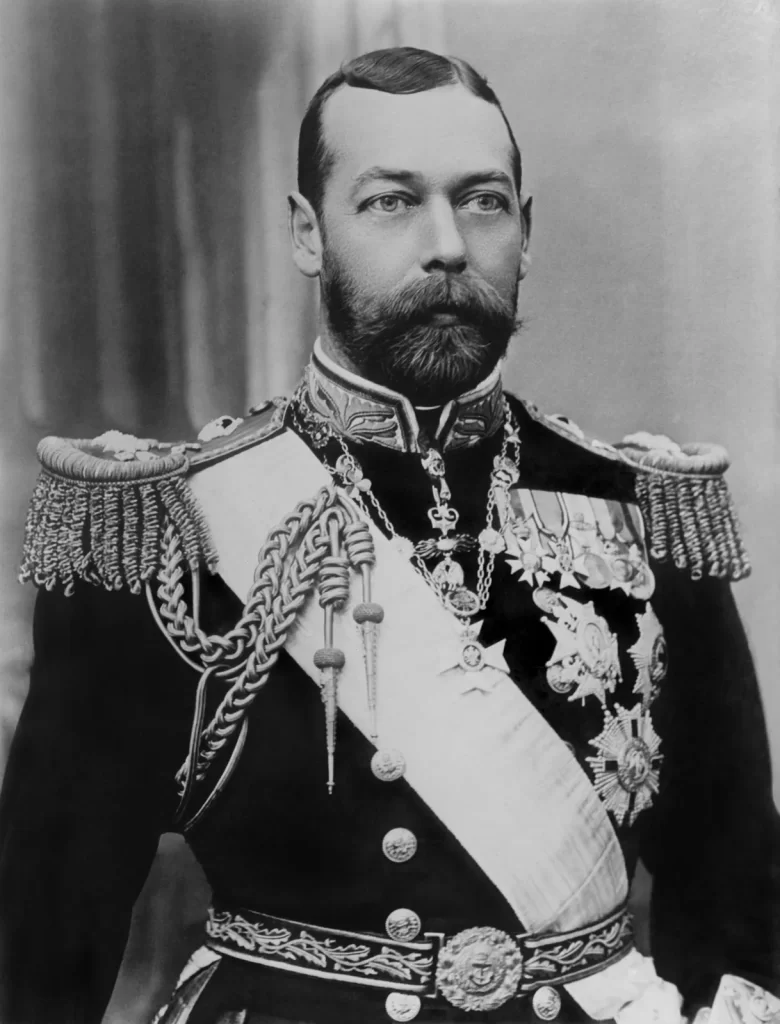
George V, the son of Edward VII and his wife Alexandra of
Denmark… Just as an aside, Alexandra of Denmark, daughter of King Christian IX.
He’s my favorite. I think I’m related to him. Yeah, anyway George V reigned from
1910 to 1936… just in time for World War I, during which George V fought against his
cousin Kaiser Wilhelm II of Germany. I know that what I’m talking about here is
supposed to be focused on George V, but personally I find his cousin Kaiser
Wilhelm II kind of fascinating, so allow me to digress. Kaiser Wilhelm was the
eldest grandchild of Queen Victoria. He was the last German Emperor and he
abdicated in 1918, marking the end of the German Empire. The reason why I’m
emphasizing him is because he basically played an instrumental role just by
being detested by George V. Yet another example of family closeness and
support. Wilhelm had a serious Freudian Oedipus complex mommy issue going on. He
had a tough birth, a breech delivery that disabled his arm.
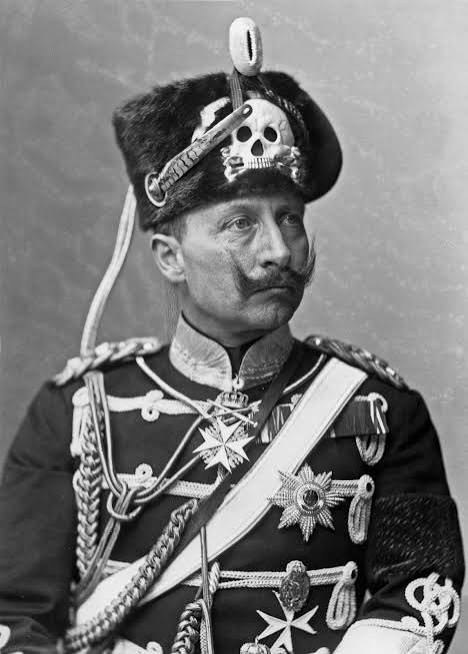
He had a love-hate relationship with Britain, possibly
resulting from his weird relationship with his mother, never feeling fully
accepted by his relatives. He had a horrible relationship with Edward VII
and he was personally very unstable. Okay, so yeah, back to his cousin George V.
George V changed the family name from Saxe-Coburg Gotha to Windsor to distance
ties to Germany. George V started the tradition whereby the monarchy delivered
Christmas broadcasts. He was instrumental with his wife, Queen Mary, in developing
the Foundation Stone of New Delhi. In 1911, King George V announced that Delhi
was the new capital of India. The original capital was Calcutta. In 1911,
George V basically was involved in the Parliament Act, which changed the Powers
of the House of Lords in relation to the House of Commons. It limited the duration
of Parliament.