
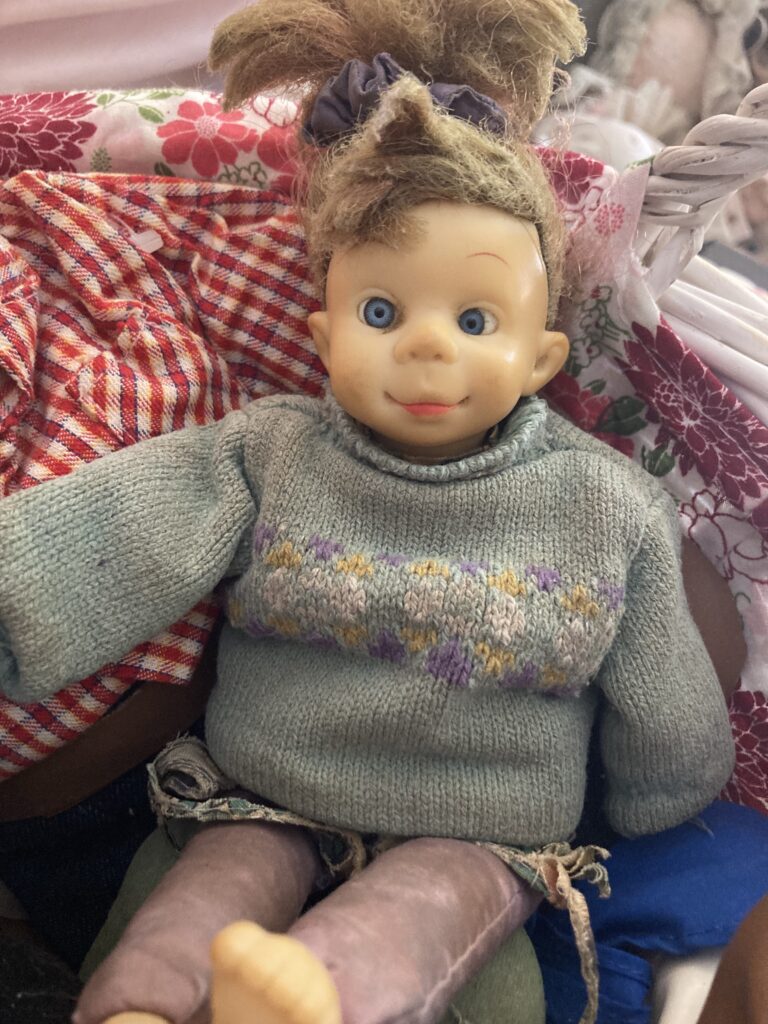
something that’s been going on for
centuries. At one point we had all of
these great conquerors. Alexander the
Great. Catherine the Great. And Peter the
Great! Genghis Khan, Atilla the
Hun! Julius Caesar! He kicked some serious [bleep]!!”
Link to the Youtube video and the rest of the series! (Be sure to watch parts 1 and 2!)
As her fans know, Siggie looks up to the Greats, the Terribles and even the Impalers of the past. She hopes to learn what it takes to someday make the history books herself! Introducing Ivan the Terrible (1530-1584). Ivan IV Vasilyevich was Grand Prince of Moscow and all Russia from 1533 to 1547, and the first Tsar and Grand Prince of all Russia from 1547 until his death in 1584. Ivan’s reign was characterised by Russia’s transformation from a medieval state to a fledgling empire, but at an immense cost to its people and long-term economy. In part 1 Siggie discusses his failed war with Livonia, and his growing empire in Russia, including the infamous Massacre of Novgorod in 1570, carried out by the notorious Oprichniki, the first political police in the history of Russia. In part 2 she discusses the Ottoman and Crimean Tatar invasion of Russia, including the 1571 burning of Moscow. She then gets into just what made Ivan so terrible!
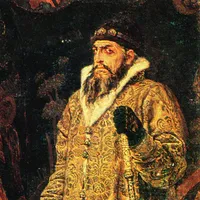
Ivan the Terrible. Russia’s first Czar, and an extremely brutal ruler. When not referred to as Ivan the Terrible, he was called “The Grand Prince of Moscow and All Russia.” He reigned from 1533 to 1547. Mind you, he was born in 1530, and so he was all of three years old when he succeeded his daddy after his daddy died. He also reigned as the first Czar, from 1547 until he died in 1584. So, what made Ivan so terrible? He transformed Russia from a medieval state into a powerful empire. He established the first Russian standing army, and he brought the entire Volga River under the control of Russia. But while he did all of these grandiose things he also… set off the Livonian war in an attempt to take over Livonia but he failed miserably! This wreaked havoc in his country. But it did give him the opportunity to get rid of Russia’s law enforcement and to get more power over Russian nobility. A hallmark of his terribleness was the massacre of Novgorod. Ivan the Terrible’s Oprichniki launched an attack on the city of Novgorod in Russia in 1570 because of what was perceived as treason of the Orthodox church. This was the most vicious attack committed by Ivan the Terrible’s gang of 16th century thugs with 2,000-15,000 casualties and horrific, extremely violent and cruel crimes. After this, Novgorod was decimated.
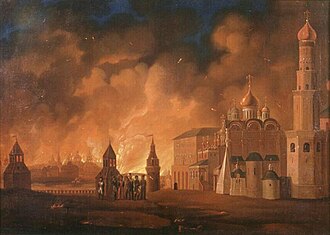
There was also the Burning of Moscow by the Tatas, the Turkic-speaking people across eastern Europe and Asia. Ivan the Terrible had a really rocky relationship with the Crimean Tatas and the Ottoman Empire. The March on Moscow was the Crimean Tatar invasion of Russia. The Crimean Tatar forces set suburbs on fire. Wind blew the flames into Moscow and set it on fire. People tried to escape but couldn’t. Those who tried to jump into the Moscow river drowned. Ivan ordered the dead people to be thrown into the river. This overflowed the banks and led to floods. It took over a year to remove the bodies. 10-120,000 people were killed in the attack on Moscow.
Ivan’s personality. Here’s where we get to the “terrible” part. He’s been described as one of intelligence, he’s described as pious, and a composer of great music that is still used today. But he’s also been described as paranoid with fits of rage and mental instability that just got worse as he got older. He reputedly believed in superstition and astrology and asked the star gazers for guidance.
In one fit of anger and unhinged lunacy, he killed his oldest son and heir by striking him with a staff. That was Ivan Ivanovich. It is rumored that he may have caused the miscarriage of his unborn grandson. These unmitigated, insane moves led to the inheritance of the throne by Ivan’s younger son, Feodor, who did a crappy job and didn’t have any children. This marked the beginning of the end of a lot of things. This was the “Time of Troubles.” This was a period of political crisis in Russia that began with Feodor’s death and that ended with the start of the Romanov Dynasty.